
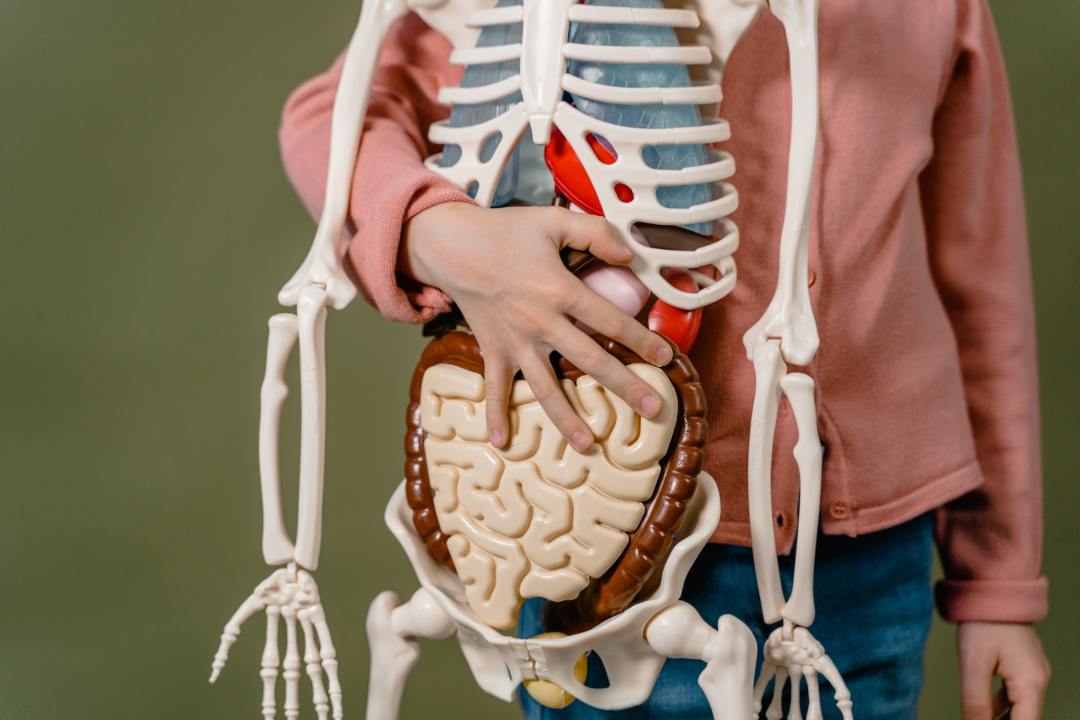

When I did my Sensory 101 series, I missed one. One that wasn’t on my radar yet. I’m making it up to you today with a post about the Eighth Sense: Interoception.
Catch up on all my sensory needs posts:
Sight/Vision
Hearing/Auditory & Touch/Tactile
Taste/Gustatory & Smell/Olfactory
Vestibular & Proprioception
Interoception
Interoception is often referred to as “the eighth sense.” Most of us have been aware of our first five senses–sight, hearing, tasting, smelling, and touching–since a young age. We are usually taught “the five senses” in Kindergarten.
The sixth and seventh senses–vestibular and proprioceptive–are less commonly known to the general population, but are often well-known by anyone with sensory issues/special needs, and their caregivers.
And the eighth sense–interoception–is the least commonly known of all, but it is also very important to know about as a parent and caregiver, whether or not your child has special needs.
In a nutshell, interoception is the inward sense. Interoception refers to the ability to sense and understand what is happening within one’s own body. Here are some examples of interoception at work:
- Recognizing when you are hungry or thirsty
- Feeling nausea/recognizing your body’s cues that you are about to vomit
- Feeling your body’s cues that it is time to use the toilet
- Feeling sick
- Feeling the physical signs of stress
- Feeling the physical signs of anger
- Feeling the physical signs of fear
Our bodies don’t just have external receptors on our skin. We also have internal receptors in our organs. That’s why we can “feel” when we have to use the bathroom or get a snack. Our internal organs send signals to the brain, the brain interprets them, and gives our bodies commands on how to handle the information our organs are giving us.
Like every other sense, this sense can be underdeveloped or over-responsive in a person. It is common for individuals with sensory disorders and cognitive disorders to have an underdeveloped interoceptive sense, preventing them from really “feeling” and “knowing” what is going on in their own bodies, or an over-responsive interoceptive sense, causing disproportionate reactions to stimulation. Their brain and their body aren’t communicating with each other accurately. This lack of inward awareness can cause some challenges, including:
- Delayed toilet training or persistent incontinence
- Bedwetting
- Dehydration due to never feeling thirsty
- Being underweight or malnourished, due to never feeling hungry
- Eating excessively and throwing up, due to not feeling “full”
- Being unable to recognize and communicate to a caregiver or doctor that you are sick or in pain, or where in your body you feel sickness or pain
- Pushing yourself to exhaustion, because you don’t feel earlier signs of being tired
- A general lack of fear or danger sense, due to not noticing the body’s internal danger warning signs, such as sweaty palms, a quickening heartbeat, or your “blood running cold”
- Dangerously high pain tolerance, due to processing pain signals incorrectly (the brain may misinterpret pain as just a tickle or an itch)
- Or the opposite, an extremely low pain tolerance, due to the brain interpreting tickles or itches as painful
- “Sudden” outbursts of anger, that come from a build-up of previously unrecognized or misinterpreted pain, irritation, discomfort, hunger, or over-tiredness
If you are the parent, caregiver, or teacher to someone who seems to be struggling with interoception challenges, one way you can help is to teach them about their body’s internal workings, and model ways to respond to one’s own body. You can become a narrator of the things you do naturally, so they can see and hear the things they may not be able to sense or feel. For example:
- After running or playing a sport, have them sit down beside you. Place your hand on your chest, and say, “Wow, my heart is beating fast because it has been working hard! Feel yours. I bet it’s fast too! Let’s sit and rest until our hearts slow down.”
- After strenuous activity, feel your arms or forehead and say, “Wow, my body is sweating out all this water because I have been working hard. My body needs more water now. Let’s go get a drink.”
Teaching any child how to notice what is going on with their bodies is helpful for interoceptive development. Everyone needs to develop their interoceptive sense. While many people develop this sense in early childhood, others may take longer; particularly those with developmental delays. Teaching a special needs child these things can positively impact their quality of life. So many challenges like dehydration, hunger, and irritability can be prevented by tuning into the body’s needs before they become overwhelming.
If you are autistic, or love someone who is, you probably recognize some or all of the above challenges. While most of us expect these challenges because “that’s just autism,” it is helpful to understand why these challenges occur. Knowing about the Interoceptive sense, that is, knowing that your internal organs and brain communicate, and that sometimes this communication is ineffective, can help you have compassion for some of the challenges your autistic children or friends face, and better equip you to help them.
P.S. Want to easily look up or share my various posts on all eight senses? I’ve combined them all on one page, HERE.
© 2023 Ashley Lilley – First time commenting? Please read my Comment Policy.
Discover more from Ashley Lilley
Subscribe to get the latest posts sent to your email.
 Ashley Lilley
Very good information. Thanks for sharing.
LikeLike
You’re welcome. Thanks for reading! 🙂
LikeLike
Cool Ash. Thanks!
LikeLike