

Welcome to Part 2/4 of sensory-friendly ideas that won’t break the budget. If you are looking for sensory solutions for your family or children’s program, you are in the right place!
Check out Part 1 for Visual Sensory Seekers
Call and Response
Call and response activities use short, catchy phrases in a fun and repetitive way. A leader “calls” out a phrase, and the group “responds” with their phrase. Incorporating call and response style games into your work or play time can help regulate auditory sensory seekers.
Many teachers use call and response to get their student’s attention. For example:
Teacher: “1-2-3!”
Students: “All eyes on me!”
Teacher: “Macaroni and cheese!”
Students: “Everybody freeze!”
Some great call and response activities to try:
The game, “Marco Polo.”
The songs, “Going on a Bear Hunt,” “The Other Day I Met a Bear,” and similar.
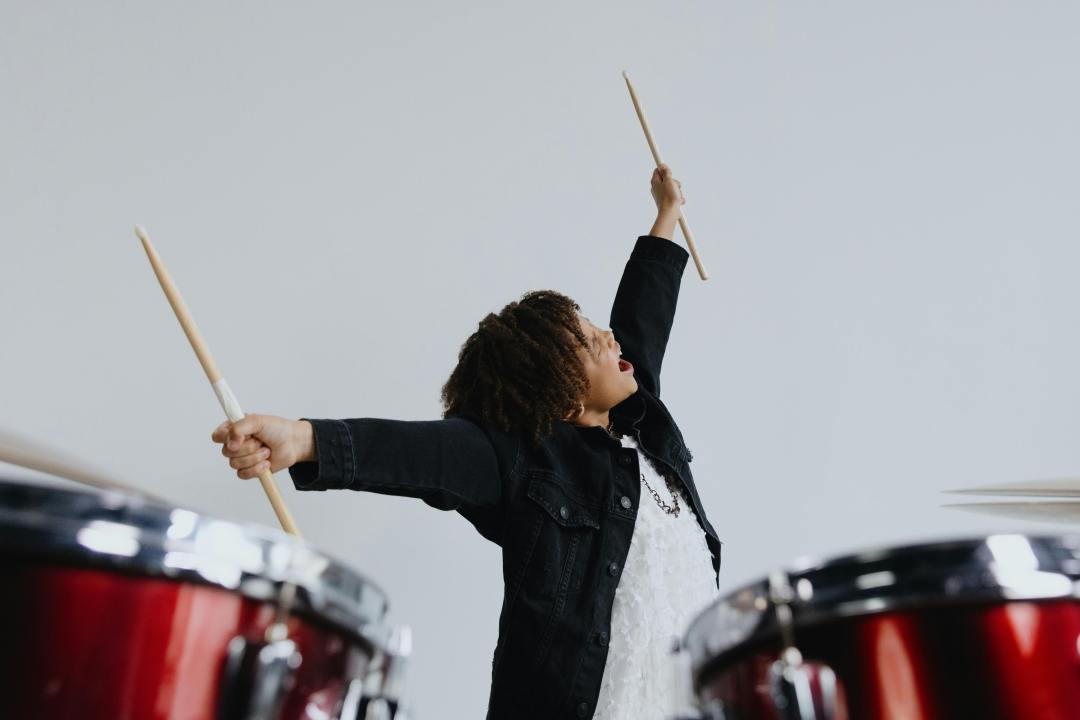
Clapping or drumming games, where the leader plays a rhythm, and the followers try to repeat the pattern back.
Tongue Twisters
Tongue Twisters don’t just tickle the tongue. They’re also a treat for the ears! Teaching tongue twisters can help with auditory sensory-seeking, and can also help develop language skills, oral motor control, and patience. There are no downsides to teaching tongue twisters to children (except that they will inevitably get better than you, and tease you for it!)
Here’s a great list of 74 tongue twisters for kids
Singing
Singing is a great way to engage an auditory sensory-seeker! Songs can build excitement and burn energy, or calm and soothe. They can also educate children on a number of topics, and help them retain what they have learned.
Homemade Musical Instruments
Turn art or craft time into an auditory experience by making your own musical instruments. Pinterest is a great place to get started with ideas!
Every Day Noises
Auditory sensory-seekers often use noise to regulate their emotions, or to help them focus. If you have noticed that you or your child work better with background noise, don’t be afraid to work in noisy environments! Sit on your porch during heavy traffic hours, work at the kitchen table after turning on your old noisy dishwasher, or set up a study area in front of the washer and dryer!
Intentional Background Noise
When it’s time to buckle down and work, background noise can be very beneficial for auditory sensory-seekers. Thankfully, there are many free and low-cost options for background noise. Baby and big box stores sell noise machines for every budget. There are free “white noise” apps for your phone that include fan sounds, ocean sounds, and other sounds in addition to true “white noise.” YouTube also has many option for white noise, calming sounds, or meditative/study music. (Just be sure to screen noise videos for ads or other surprises before playing it for your children/students. Always practice internet safety around kids.)
©Ashley Lilley – First time commenting? Please read my Comment Policy.
Discover more from Ashley Lilley
Subscribe to get the latest posts sent to your email.
 Ashley Lilley
2 thoughts on “Sensory on a Budget: Auditory Sensory Seeking”